









The 9 best ShipStation alternatives for multi-channel sellers (2026)
ShipStation works. That's worth saying up front, because most "alternatives" articles skip it. It's a solid shipping app for brands at a certain scale — single storefront, single location, straightforward label buying. The problems start when your operations get messier than that.
Add a second warehouse. Start selling wholesale alongside DTC. Move past a single Shopify store into Amazon and Walmart. At that point, you're not just printing more labels — you're managing inventory split between locations, routing logic, and orders from channels that each have different fulfillment requirements. ShipStation's inventory management is thin, its multi-location routing is manual, and the cost per order climbs as volume goes up.
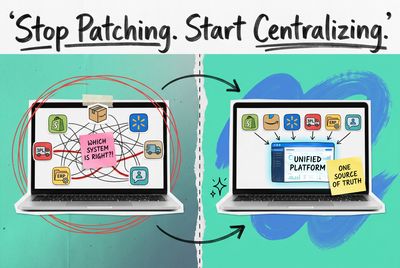
Most sellers searching for a ShipStation alternative are looking at other shipping apps. A few realize they actually need something different — an order management system and shipping as one platform, not two tools they're trying to force-sync. That distinction shapes everything below.
What is ShipStation?
ShipStation is a multi-carrier shipping platform that connects to your sales channels, pulls in orders, and lets you buy and print labels across USPS, UPS, FedEx, and DHL. It's one of the most widely used pieces of ecommerce shipping software in the US market. The channel integrations are solid, the UI is clean, and for single-location brands it does exactly what it promises.
The complaints that send people looking for alternatives cluster around the same pain points: thin inventory management, manual multi-location routing, limited order editing, and pricing that scales with volume faster than the feature set does.
Quick comparison
Tool | Type | Best for | Multi-carrier | Multi-warehouse routing | Shipping inside OMS? | Starting price |
|---|---|---|---|---|---|---|
OmniOrders | OMS + shipping | Multi-channel brands, 2+ warehouses | Yes | Yes, automated | ✅ Yes | Contact for pricing |
Veeqo | Shipping platform | Amazon-heavy sellers | Yes | Limited | ❌ No | Free |
Pirate Ship | Shipping platform | Small volume, USPS/UPS only | USPS + UPS | No | ❌ No | Free |
Shippo | Shipping platform | Low volume, simple setup | Yes | No | ❌ No | Pay-per-label / $19/mo |
Ordoro | Shipping + light OMS | Growing brands, Shopify-heavy | Yes | Limited | ❌ No | $59/mo |
Easyship | Shipping platform | Global, cross-border | 250+ carriers | No | ❌ No | Free trial / paid |
ShipHero | WMS + shipping | Brands with own warehouse ops | Yes | Yes (WMS-based) | ❌ No | Contact for pricing |
Linnworks | OMS + shipping | Enterprise multi-channel | Yes | Yes | Partial | Contact for pricing |
Extensiv | OMS + 3PL | Brands using 3PLs | Yes | Yes | Partial | Contact for pricing |
The 9 best ShipStation alternatives
1. OmniOrders — for multi-channel brands who need shipping inside their order management
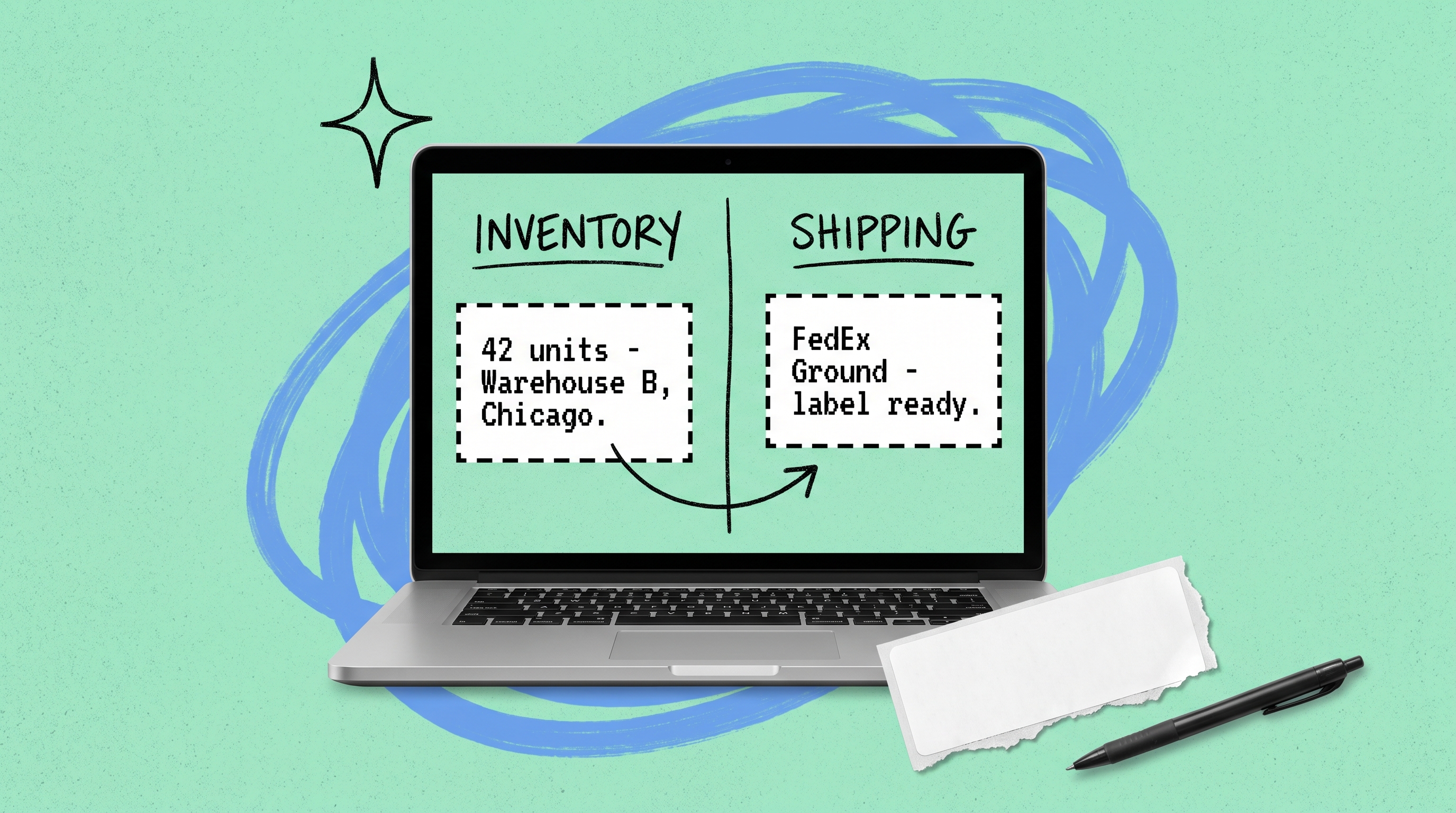
OmniOrders is a retail order management system with multi-carrier shipping built into the same platform. When shipping lives inside your order management, your routing rules, inventory levels, carrier selection, and order logic all share one data set. You're not asking two tools to agree on what's in stock at which warehouse before a label gets printed.
It connects to Shopify, Amazon, WooCommerce, Walmart, and eBay, along with EDI and big-box retail via SPS Commerce and Commerce Hub. Multi-location routing assigns orders to the right warehouse automatically based on stock, proximity, or carrier cost. Rate shopping across USPS, UPS, FedEx, DHL, and regional carriers runs natively.
This isn't a label-buying tool and the pricing reflects that. OmniOrders is built for brands that have outgrown standalone ecommerce shipping software — typically $1M+ GMV, selling on multiple channels, fulfilling from more than one location, with wholesale running alongside DTC. If you're shipping 30 orders a day from a single storefront, this is more system than you need right now.
If you're managing four channels, splitting inventory between two warehouses, and spending Friday afternoons untangling oversells and mis-routes — this is the tool built for that problem.
Best for: DTC and hybrid B2B/DTC brands with multiple warehouses or channels who want order management and shipping in a single system, not a patchwork of separate subscriptions.
2. Veeqo — the free option that actually works for Amazon sellers
Veeqo is free. Amazon acquired them in 2021 and removed the subscription fee. That matters.
It handles multi-channel order management, has a reasonable inventory layer, and connects to Amazon, Shopify, Etsy, eBay, and others. The picking and packing workflow is solid. For a seller primarily on Amazon who wants ShipStation's functionality without the monthly bill, Veeqo makes a strong case.
Where it gets thin: multi-warehouse routing and automation rules don't go deep. And if you're growing outside the Amazon ecosystem, you're using a tool owned by your largest marketplace, which is a tradeoff worth making consciously.
Best for: Amazon-first sellers who want a free ShipStation replacement with multi-channel syncing and no subscription.
3. Pirate Ship — free label buying for USPS and UPS
Pirate Ship gives you access to USPS commercial rates at the same tier as ShipStation, plus UPS rates, with no monthly subscription. You pay per label. That's the pitch.
The tool is deliberately simple. You import orders via CSV or type them in. No deep channel integrations, no inventory management, no automation, no FedEx or regional carriers. For a seller shipping 20–50 packages a day on USPS, there's nothing wrong with it. The rates are competitive, the setup is fast, and you're not paying for features you don't use.
If you're searching "pirateship alternative" to decide between Pirate Ship and other free options, Veeqo wins on integrations. Pirate Ship wins on simplicity and USPS pricing.
Best for: Small brands shipping low volume on USPS or UPS who want to avoid monthly fees with minimal setup.
4. Shippo — multi-carrier shipping with light channel integrations
Shippo connects your Shopify, WooCommerce, Etsy, or other storefront and lets you buy multi-carrier labels. The starter tier is pay-per-label; paid plans start around $19/month and add automation rules, manifests, and branded tracking.
Setup is quick — most sellers are printing labels in under an hour. It supports USPS, UPS, FedEx, DHL, and regional carriers. The pay-per-label option works well for brands with seasonal volume or inconsistent order flow.
Multi-warehouse routing doesn't exist, and inventory management is minimal. At higher volumes, per-label fees add up. But as a ShipStation replacement for straightforward multi-carrier shipping on a small budget, it does what it says.
Best for: Small stores with fluctuating volume that want multi-carrier ecommerce shipping solutions without committing to a monthly plan.
5. Ordoro — for Shopify brands that need more than labels
Ordoro sits between a pure shipping app and a full OMS. It has dropshipping PO automation, kitting and bundle support, inventory tracking, and multi-channel order management. More than Shippo; less than OmniOrders.
The multi-warehouse routing is limited, and the automation rules don't reach the depth of a real OMS. The UI has aged. At higher pricing tiers, it starts competing with tools that do substantially more. But for a Shopify-centric brand doing dropshipping or building kits, the feature set covers the gap that most pure shipping apps miss.
Best for: Shopify-primary brands doing dropshipping or kitting who need inventory logic beyond what a standalone shipping app provides.
6. Easyship — for cross-border and international shipping
Easyship connects to 250+ carriers globally. It handles duties and taxes calculations, generates HS codes, and gives customers delivery time and cost estimates at checkout. No other tool on this list comes close for international breadth.
Domestic US performance is where it gives ground — the rates aren't particularly competitive compared to Veeqo or Pirate Ship, and you're paying for global infrastructure you don't need if most of your orders stay in the country. Use it when cross-border volume makes the tradeoff worth it.
Best for: Brands with meaningful international volume and cross-border DTC operations where duties/taxes visibility and carrier breadth matter.
7. ShipHero — for brands running their own warehouse floor
ShipHero is a warehouse management system with a shipping component. Barcode scanning, receiving, put-away, pick lists, bin management — it's built for warehouse floor operations, not just label buying. A fulfillment network option lets you use ShipHero's own warehouses if you prefer.
On the channel sync and order management side, it's thinner than OmniOrders or Linnworks. If you need warehouse floor tooling more than cross-channel business logic, that's a fit. Both needs? There are gaps.
Best for: Brands managing their own warehouse who need floor-level operations — receiving, barcode scanning, pick-and-pack workflow — more than a multi-channel shopify order management system.
8. Linnworks — the enterprise multi-channel OMS
Linnworks has been in this space since 2009. It's a full OMS: multi-carrier shipping software, inventory management, multi-warehouse routing, and multi-channel integrations including Amazon, eBay, Walmart, and dozens of others. The automation rules and bundle/kitting support are solid at enterprise scale.
Honest assessment: Linnworks is expensive, the setup is complex, and the learning curve is real. Enterprise sellers with internal teams to implement it get the depth. Most growing mid-market brands end up with more system than they can actually use.
Best for: Enterprise sellers with complex multi-channel operations and the internal resources to implement and maintain a heavy system.
9. Extensiv (formerly Skubana) — for brands working with 3PLs
Extensiv's differentiator is its 3PL network. If you're fulfilling through third-party warehouses and need to manage orders across multiple 3PL partners alongside your own inventory, Extensiv's pre-built 3PL connections are genuinely useful. The inventory visibility and routing across mixed networks of owned and outsourced fulfillment nodes is real.
If you're not using 3PLs, most of what makes Extensiv distinctive doesn't apply. The pricing is enterprise-tier.
Best for: Brands managing fulfillment across multiple 3PL partners who need a unified OMS layer across their logistics network.
Which ShipStation alternative should you use?
Shipping 20–100 orders a day from one location, USPS-heavy: Pirate Ship.
Selling on multiple channels, want free multi-carrier shipping: Veeqo, especially if Amazon is a primary channel.
Small store, fluctuating volume, want pay-per-label flexibility: Shippo.
Shopify brand doing dropshipping or kitting: Ordoro.
International or cross-border operations: Easyship.
Own warehouse, need floor operations and barcode scanning: ShipHero.
Enterprise scale with a technical implementation team: Linnworks.
Multi-3PL fulfillment network: Extensiv.
Selling on multiple channels, fulfilling from more than one location, done maintaining shipping + OMS + inventory as separate subscriptions: OmniOrders.
The bottom line
Most ShipStation alternatives are just other shipping apps. They solve the label-buying problem. Some solve it cheaper.
The sellers who stay frustrated after switching usually aren't solving the right problem. They don't need better shipping software. They need shipping inside their order management -- inventory sync, routing logic, and carrier selection all in one place.
If that's where you are, OmniOrders is worth a closer look.
[See how OmniOrders handles multi-channel fulfillment →]
Frequently asked questions
What's the best free ShipStation alternative?
Veeqo is the strongest free option for sellers who need multi-channel integrations and a real inventory layer. Pirate Ship is free for USPS and UPS-only shipping but has no channel integrations or automation. Both are genuinely free — not limited trials.
Is Pirate Ship better than ShipStation?
For low-volume sellers using USPS or UPS, Pirate Ship offers comparable rates with no monthly fee. It's a simpler tool: no deep channel integrations, no automation, no FedEx. Better on cost for small volume; worse on everything else at scale.
What's the difference between a shipping app and an order management system?
A shipping app handles label buying and carrier selection. A retail order management system also manages what happens before the label prints: which warehouse fills the order, how inventory is allocated across channels, and how business rules modify orders in transit. Multi-channel brands fulfilling from more than one location usually need an OMS, not a better shipping app.
Does ShipStation do inventory management?
ShipStation has basic inventory tracking but isn't a real inventory management system. It doesn't manage stock allocation across locations or provide real-time multi-channel sync. Most brands that need inventory management end up running ShipStation alongside a separate inventory tool — which is one of the main reasons they eventually look for an alternative.
What's the best ShipStation alternative for multi-channel sellers?
Depends on the complexity. Low-volume brands move to Shippo or Pirate Ship for cost. Growing multi-channel brands with multiple warehouses and channels tend to move to an OMS with shipping built in -- OmniOrders is the option purpose-built for that use case. Enterprise sellers with 3PL arrangements look at Extensiv; enterprise self-fulfillment looks at Linnworks.
Start your 14-day free trial
See how OmniOrders connects your sales channels, 3PLs, and carriers into one operational layer — free for 14 days, no credit card.