










What Is a Freight Audit? How Ecommerce Brands Stop Paying for Carrier Overcharges
A freight audit is the process of comparing carrier invoices against your actual shipment records to verify that every charge billed matches what was agreed, contracted, and delivered. When errors exist (and they usually do), a freight audit catches them so you can dispute the charge, claim a refund, or fix the root cause before it happens again.
For ecommerce brands shipping hundreds or thousands of parcels per week, carrier billing errors quietly erode margins. The problem isn't that carriers are dishonest. Their billing systems are complex, full of surcharges applied by automated rule, and genuinely difficult to audit manually at any real volume.
What Errors Does a Freight Audit Actually Find?
Not all carrier overcharges look the same. Some affect every shipment with a certain characteristic, applied systematically by the carrier's billing logic. Others are one-off discrepancies that only surface when you compare invoice data line by line against your own records.
The most common errors you'll find in a carrier invoice audit:
Address correction charges. When a carrier reclassifies a delivery address, they add a correction fee around $20 per shipment. If your system passes a slightly non-standardized address format, UPS and FedEx will correct it on their end and bill you automatically. The charge applies even if your original address was perfectly deliverable.
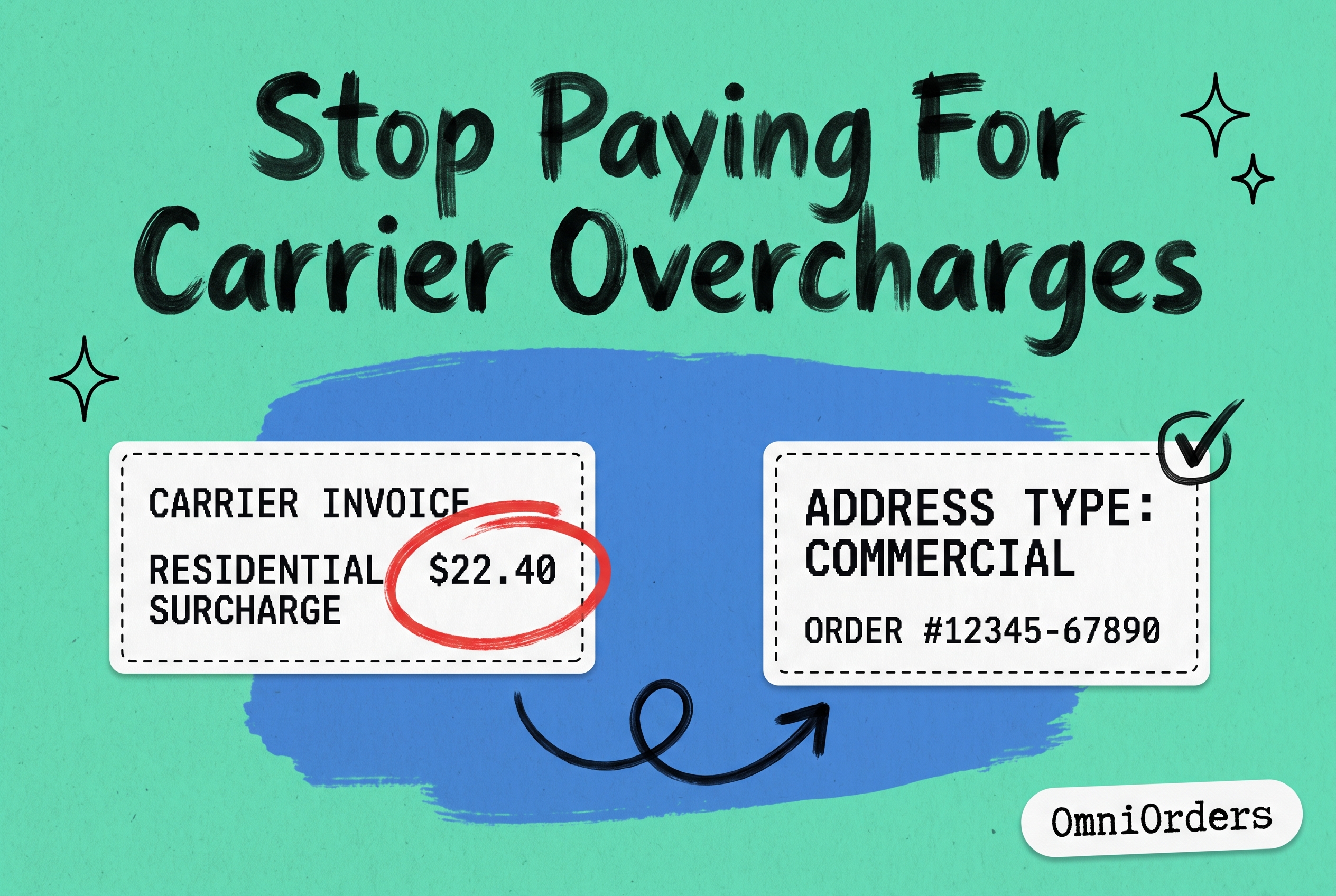
Residential versus commercial misclassification. Carriers charge a higher rate for residential deliveries. If a business customer's address was flagged as residential by the carrier's routing logic rather than your own customer data, you're paying the wrong rate. Multiply this across 50 shipments per week and the difference is real.
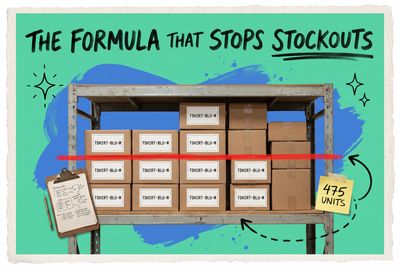
Dimensional weight billing errors. DIM weight is calculated from package dimensions divided by a carrier-specific divisor. A t-shirt (say, SKU TSHIRT-BLU-M, weighing 0.4 lbs) shipped in a 12x10x4 inch box carries a DIM weight of about 3.5 lbs under the standard UPS domestic divisor of 139. If the carrier records a larger box than you shipped, you're billed for weight that doesn't exist.
Duplicate charges. Carrier invoices occasionally include duplicate line items for the same tracking number. Without a line-item comparison against your own order data, these pass unnoticed.
Late delivery refund credits never claimed. Most domestic carriers offer service guarantees. A package shipped under a guaranteed service that misses its delivery window earns a refund or credit. Those credits aren't applied automatically. You file the claim within a set window (typically 15 to 30 days depending on the carrier), or the money stays with the carrier.
Fuel and peak surcharges at the wrong tier. Carrier surcharge schedules change regularly. If your rate card reflects one tier and the invoice applies another, you're being billed incorrectly with no visual flag anywhere in the document.
Why Manual Freight Invoice Auditing Breaks Down at Scale
If you're shipping 20 orders per week, reviewing carrier invoices manually is feasible. At 500 orders, it isn't.
Each carrier invoice contains dozens of line items per shipment. UPS and FedEx bills run pages long, with charges broken into base rates, surcharge codes, fuel adjustments, and accessorial fees. A full manual freight invoice audit means downloading carrier data as PDFs or CSVs, cross-referencing each line against your internal shipment records, flagging discrepancies, submitting disputes through each carrier's portal (each with its own deadlines and documentation requirements), and tracking whether credits actually appear on the next invoice.
Teams that do this manually either spend several hours each week on it or let it slip when volume picks up. The refunds they miss stay with the carrier.

Proactive Prevention vs. Reactive Recovery
Traditional freight auditing is reactive. You ship, the invoice arrives, you audit, you dispute. The overcharge already happened. Even if you recover the money, the process takes weeks and requires dedicated follow-up.
Proactive prevention works differently. Instead of catching errors after billing, your order management system validates rate conditions before the shipment leaves your warehouse and flags exceptions as soon as they appear in carrier data.
Three reasons this shift matters:
Prevention eliminates the dispute process entirely for errors you can stop at the source. Automated monitoring catches late-delivery refund windows before they expire. Real-time data comparison means nobody needs to manually review invoices line by line.
Sophisticated ecommerce operators don't treat freight auditing as a finance task that runs once a month. They embed it in the order processing workflow so exceptions surface in the same tool where orders are managed.
What Rate Shopping Has to Do With Freight Auditing
Rate shopping and freight auditing are related but distinct. Rate shopping happens at the point of carrier selection. It compares carrier rates across services in real time so each shipment routes to the most cost-effective option that still meets your delivery promise.
Freight auditing happens afterward. It's the check on whether the carrier billed you the rate that was quoted at the point of selection.
When you combine both, you get a closed loop: pick the best rate for each order, then verify you were actually billed that rate. Without the verification step, rate shopping savings can be partially offset by billing errors that slip through unchecked.
OmniOrders connects to your carriers through channel and fulfillment integrations, pulling shipment data that feeds both rate selection and post-shipment reconciliation. When your shipment data and carrier invoice data live in the same platform, the comparison is automatic.
How to Set Up Automated Freight Audit Workflows in Your OMS
The mechanics of automating freight audit monitoring in OmniOrders rely on the platform's no-code automation engine. Here's how brands typically configure it:
Define billing rules. You specify what "correct" looks like for each carrier and service: expected rate ranges, acceptable surcharge codes, dimensional weight parameters for your typical packaging. The automation engine lets you build rules that trigger an alert or hold when an incoming charge falls outside those parameters.
Flag orders for review. When a shipment is billed at an unexpected rate, the order gets a status indicating it needs billing review. You can see exactly which orders have billing discrepancies in one view rather than hunting through spreadsheets. OmniOrders tracks order statuses and custom hold types across all your channels, so nothing gets lost.
Track refund claim windows. Configure alerts for shipments sent under guaranteed services that missed their delivery window, triggered as soon as the late delivery confirmation comes in. This gives your team time to file the claim before it closes.
Report on carrier performance over time. The data tells you which carriers generate the most billing discrepancies, which routes have the highest error rates, and which surcharge types are applied incorrectly most often. That insight sharpens your next carrier contract negotiation.
The Three Freight Audit Checks Worth Running This Week
If you haven't run a structured parcel audit recently, start here:
UPS address correction charges. Pull your UPS invoices for the last 60 days and filter for address correction line items. Compare each flagged shipment against your original order address. If the original address was deliverable and properly formatted, the charge is disputable.
Late delivery guarantee refunds. Look at shipments sent under UPS Next Day Air, FedEx Overnight, or USPS Priority Mail Express. Cross-reference delivery scan dates against the guaranteed windows. Claims need to be filed within 15 to 30 days of the ship date depending on the carrier.
DIM weight overcharges on light items. Check shipments where billed weight significantly exceeds your product weight plus packaging. A single apparel item shipped in a standard box can trigger a DIM weight several times its actual weight if the carrier records different dimensions than your packing records show.
Running these three checks from a centralized order management system cuts the time significantly, because your shipment data and carrier data are already in one place rather than spread across carrier portals and spreadsheet exports.
Stop Auditing Invoices Manually. Catch Errors Before They Stack Up.
A freight audit done once is useful. A freight audit process embedded in your daily operations is where brands recover meaningful money consistently, month over month.
OmniOrders connects your carriers, your order data, and your fulfillment operations in one platform, so the information you need to catch billing errors is always current and always in one place. Whether you're shipping 200 orders a month or 20,000, the same automation rules catch the same billing discrepancies without adding headcount or spreadsheet hours.
Start your free OmniOrders trial and see how much cleaner carrier billing looks when your shipment data and invoice data finally live together.
Frequently asked questions
What is a freight audit?
A freight audit is a systematic review of carrier invoices against your shipment records to verify that every charge is accurate, contracted, and justified. It identifies billing errors such as duplicate charges, incorrect surcharges, misapplied residential fees, and late delivery credits that were never applied. Freight audits can be done manually or automated through an order management system that compares invoice data against shipment records in real time.
How does freight auditing work?
Freight auditing works by comparing three datasets: what you agreed to pay (your rate card or carrier contract), what the carrier billed (invoice line items), and what actually happened (shipment details including dimensions, weight, delivery date, and address type). Any discrepancy between those three is a billing error that can be disputed or used to renegotiate your carrier agreement.
What is a parcel audit and is it the same as a freight audit?
A parcel audit is a freight audit focused specifically on small parcel shipments through carriers like UPS, FedEx, and USPS, as opposed to LTL or truckload freight. Ecommerce brands typically need parcel audits. The process and error categories are the same; the term specifies the shipment mode being reviewed.
Can I get a shipping overcharge refund automatically?
You cannot get a refund applied without filing a claim, but you can automate the identification of eligible refund scenarios. An order management system with post-shipment monitoring flags shipments where a refund is likely due (such as a late guaranteed delivery) and alerts your team before the claim window closes. The filing step still requires a manual action unless you use a dedicated freight audit tool that submits claims on your behalf.
What are common UPS billing errors ecommerce brands face?
The most common UPS billing errors for ecommerce brands include address correction fees applied to valid addresses, residential surcharges applied to commercial destinations, dimensional weight calculated from inaccurate package dimensions, and delivery guarantee refund credits never applied for late shipments. Fuel surcharges can also apply at the wrong tier when your negotiated rate card hasn't been updated in the carrier's billing system.
Start your 14-day free trial
See how OmniOrders connects your sales channels, 3PLs, and carriers into one operational layer — free for 14 days, no credit card.